

Home About Services Blog Heibrie's Store FAQ Get in Touch
End of Life Guide · Hamilton · Burlington · Oakville · Grimsby · Ancaster

You don't have to
walk this road
alone.

Heibrie Barron

I walk alongside families through the most sacred passage of life — offering presence, planning, and a steady hand when it matters most.

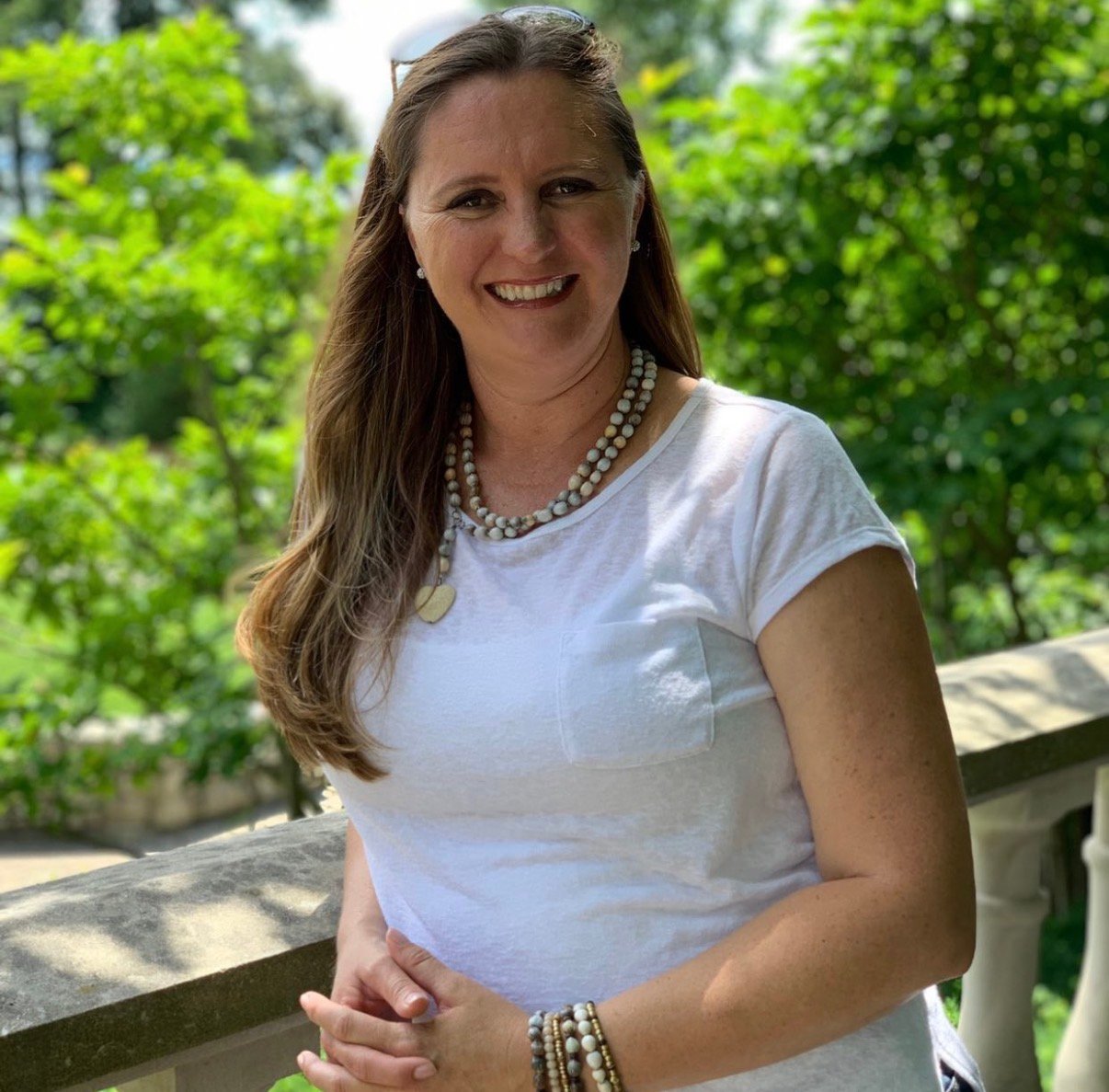
Heibrie Barron, End of Life Guide, seated in a garden
"Death is not just an ending — it's a transition. And our job, as the ones who are still here, is to make that transition as peaceful and as complete as possible."
— Heibrie Barron
How I Can Help

Care rooted in presence
and love

Every family's journey is different. I meet you exactly where you are — with compassion, experience, and no judgement.

End-of-Life Planning

Thoughtful, unhurried conversations that help your loved one's wishes become reality — before the urgent moments arrive.

Bedside & Vigil Support

A calm, experienced presence at the bedside — so no one has to sit alone in the hardest hours, and families can rest knowing someone is there.

Family Guidance

Helping the whole family — not just the patient — navigate this time with clarity, communication, and a sense of shared purpose.

Grief Support

Grief doesn't end at the funeral. I offer compassionate support for the winding road that follows — because you deserve care too.

Learn More About Services
Heibrie Barron — End of Life Guide
About Heibrie

A guide you can
trust completely

I became a death doula because I believe that the end of life deserves the same care, intention, and love that we bring to the beginning of it. I've sat with families in living rooms, hospital hallways, and quiet bedrooms, and I've seen what a difference it makes to have someone there who isn't afraid.

My approach is warm, practical, and deeply personal. I don't believe in one-size-fits-all. I believe in showing up fully for each unique family and each unique person.

Based in Hamilton and Burlington, I serve families across the surrounding area — and virtually when needed.

My Full Story
How It Works

Simple steps toward
being cared for

01

A Free Conversation

We start with a no-pressure call or meeting. You share what's happening, I listen, and we explore whether working together feels right.

02

A Tailored Plan

Together we create a plan that reflects your loved one's wishes, your family's needs, and the kind of support that will serve you best.

03

Steady Presence

I show up. For the planning, the bedside hours, the hard conversations, and the quiet ones — for as long as you need me.

By the Bedside book cover

By the Bedside

A compassionate guide for families navigating end-of-life care at home — from the first hard conversation to carrying your loved one's legacy forward.

Get in Touch to Pre-Order
Ready to Talk?

The first step is just
a conversation.

There's no pressure, no commitment, and no wrong way to reach out. I'm here whenever you're ready.

Book Your Free Consultation
About Heibrie

A presence you can
lean into.

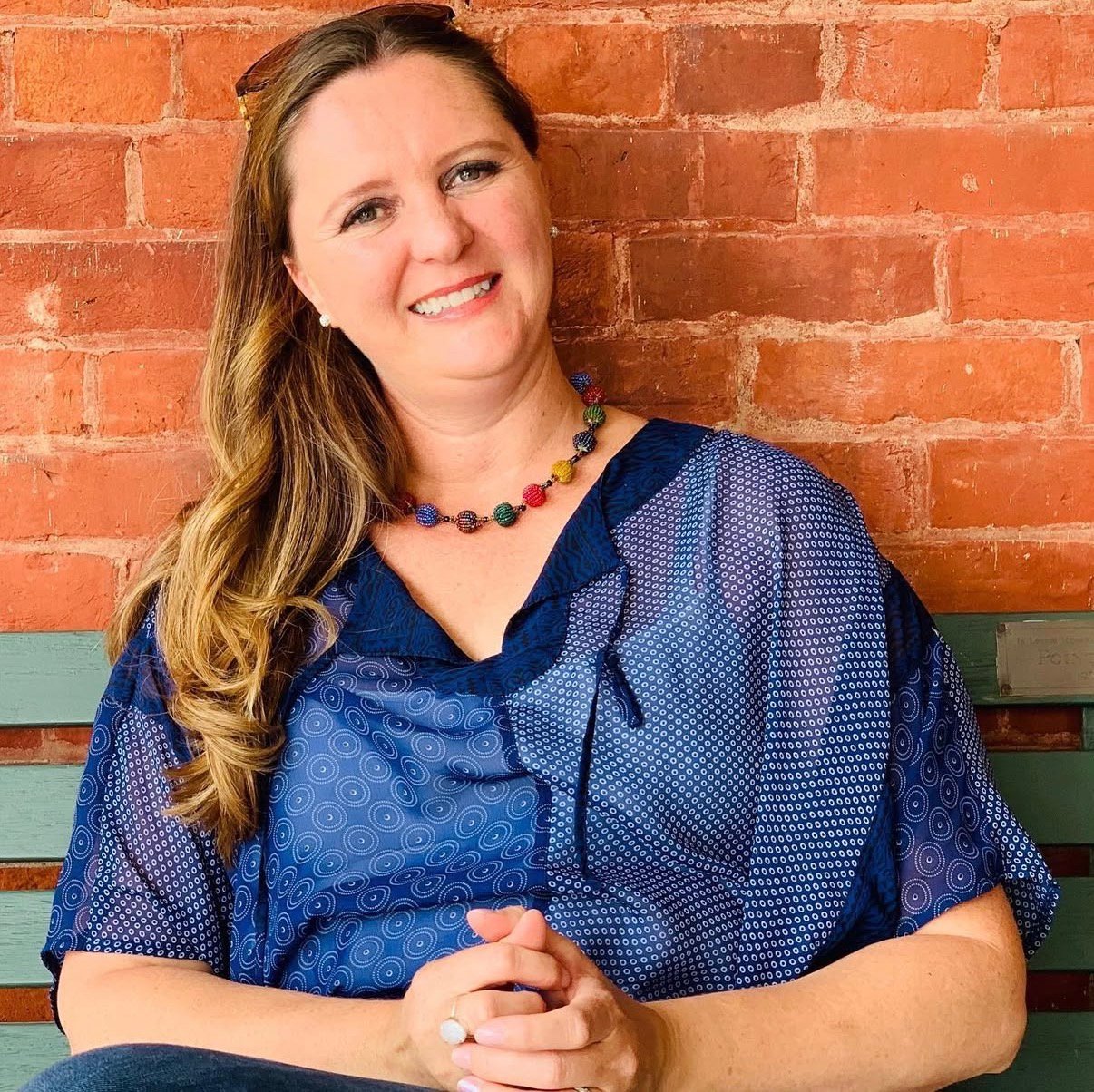
Heibrie Barron
Service Area
Hamilton · Burlington · Oakville
Grimsby · Ancaster
Virtual support available province-wide

Why I Do This Work

I didn't arrive at death doula work by accident. Like most people who are drawn to it, I arrived through loss — through standing in rooms where I desperately wished someone had been there to guide us. Through watching families navigate one of the hardest experiences of human life without a map, without a hand to hold, without someone who simply wasn't afraid.

I became that person. And it changed everything.

What I Believe

I believe that dying is a natural process, and that it belongs to families — not institutions. I believe that the end of a life, when approached with intention and love, can be one of the most profound and beautiful experiences a family shares. I believe that presence is the most powerful medicine there is. And I believe that you deserve support: not just for your loved one, but for yourself.

I bring warmth, steadiness, and years of experience to every family I work with. I'm not here to take over — I'm here to walk beside you.

My Approach

  • Every plan is built around the person, not a template
  • I show up fully — emotionally, practically, and spiritually
  • I support the whole family, not just the patient
  • I don't believe in rushing any part of this process
  • I hold space without judgement, always
  • I remain a calm, steady presence in the most uncertain moments

Also an Author

I wrote By the Bedside because I wanted every family — not just the ones I could personally reach — to have a guide for this journey. The book is a companion for caregivers: honest, practical, and written from the heart of someone who has sat in those rooms many times.

Book a Free Consultation
Services

Care for every part
of the journey.

01

End-of-Life Planning

Most families are unprepared — not because they don't love their person, but because no one told them how to prepare, or even that preparation was possible. End-of-life planning takes the fear out of the unknown by turning wishes into a real plan.

We sit together — you, your loved one, and whoever else you'd like present — and we have the conversations that matter. What does a good death look like for this person? Where do they want to be? Who do they want around them? What unfinished things need tending?

These conversations are not morbid. In my experience, they are some of the most meaningful conversations families ever have.

This may include

  • Advance care planning
  • Wishes documentation
  • Coordination with palliative care
  • Home care setup guidance
  • Legacy project support
02

Bedside & Vigil Support

The vigil — the hours and days at the bedside as someone approaches death — is one of the most sacred experiences a family can share. It is also one of the most exhausting and frightening. Caregivers often sit through the night not knowing what they're seeing, terrified of doing something wrong, afraid to leave and afraid to stay.

I am there so you don't have to do that alone. I bring calm, experience, and practical knowledge of what the body does as it approaches death. I can explain what you're witnessing, help you know when to gather people, and simply hold the space so you can be fully present as a daughter, a son, a partner — not a medical attendant.

This may include

  • Active dying support
  • Overnight or extended vigil sitting
  • Comfort care guidance
  • Family respite relief
  • Guidance on physical signs
03

Family Guidance & Coaching

When someone is dying, the whole family is affected. Siblings disagree. Old wounds resurface. People who love each other deeply say things they don't mean. Communication breaks down at the very moment it matters most.

I work with families as a whole — not just the primary caregiver — to help everyone find their footing, understand their role, and stay connected to what actually matters: the person at the centre of it all.

This may include

  • Family meetings & facilitation
  • Communication coaching
  • Caregiver burnout prevention
  • Role clarification
  • Emotional support for siblings & children
04

Grief Support

Grief doesn't end when the funeral does. For most people, the hardest stretch begins in the weeks and months that follow, when the casseroles stop arriving and the world expects you to be "back to normal."

I offer ongoing grief support for individuals and families — not as therapy, but as a grounded, compassionate presence that helps you navigate the winding road. We talk about what you're feeling. We talk about the person you lost. We find ways to carry their memory forward in ways that feel alive, not just mournful.

This may include

  • One-on-one grief sessions
  • Legacy and memory work
  • Ritual creation
  • Support for complicated grief
  • Referrals to therapeutic support

Not sure which service
you need?

That's completely okay. Most families aren't sure at first. Let's just talk — and figure it out together.

Book a Free Consultation
Resources

Guidance for the
road ahead.

Honest, practical writing about death, dying, grief, and caregiving — from someone who has sat with families through all of it.

End-of-Life Planning

The Five Conversations Every Family Needs to Have

Most families avoid these conversations until it's too late. Here's why having them now is one of the most loving things you can do.

8 min read
Home Dying

Bringing Your Loved One Home: What Families Need to Know

Dying at home is possible for more families than you might think. Here's what to expect, and how to prepare.

10 min read
Grief

Grief Doesn't Move in Stages. Here's What It Actually Looks Like.

The five-stage model has done a lot of quiet damage. Here's a more honest, more useful way to understand your grief.

7 min read
Caregiving

You Can't Pour from an Empty Cup: Caregiver Burnout and How to Prevent It

Caring for a dying person is one of the most demanding things a human can do. Your wellbeing matters too.

6 min read
Legacy

Creating a Legacy Project With Your Loved One

A legacy project isn't about grand gestures. Sometimes it's a recipe book, a recorded story, or a blanket knitted with trembling hands.

5 min read
What is a Death Doula?

What Does a Death Doula Actually Do?

Most people have never heard of a death doula. Here's what I do, what I don't do, and why more families are seeking this kind of support.

6 min read
Family

How and When to Start Talking to Kids About Death

Children who grow up in homes where death is spoken about openly tend to be better equipped to handle loss when it comes. Here's how to start.

7 min read
Home Dying

Bringing Your Loved
One Home.

There is something quietly profound about dying at home. The familiar smell of your own sheets, the sounds of the neighbourhood you have lived in for decades, the people you love moving softly through the rooms around you. For many people, it is exactly where they want to be at the end of their lives — and yet so few families know that it is truly possible, or what it actually takes to make it happen.

Home dying is not just a logistical choice — it is a deeply human one. It can be one of the most intimate and meaningful experiences a family ever shares. It can also be challenging, emotional, and exhausting. This post is for any family considering it, or who finds themselves suddenly facing it and wondering where to begin.

Is Dying at Home the Right Choice?

The first thing to know is that dying at home is not right for every person or every family — and there is no shame in that. Some conditions require medical management that simply cannot be provided at home. Some people feel safer in a clinical environment. Some family caregivers do not have the physical, emotional, or practical capacity to take this on, and recognising that is an act of love, not failure.

But for families where it is possible, home dying can offer something that no hospital or care facility can fully replicate: the comfort of place, the intimacy of family, and the freedom to do things your own way. If your loved one has expressed a wish to die at home, it is worth exploring seriously — with the right support around you.

Building Your Support Team

No family should attempt to care for a dying loved one alone. The foundation of a good home death is a strong support team, and in Canada and many other countries, there are more resources available than most people realise.

Your family doctor or specialist is the starting point. Have an honest conversation about what home dying would look like for your loved one's specific condition. Ask about symptom management, what medications may be needed, and what to expect as the illness progresses.

Palliative care teams are specialists in end-of-life comfort and can often support patients at home. In many regions, a palliative care nurse will visit regularly, help manage pain and symptoms, and be available by phone around the clock. Ask your doctor for a referral as early as possible — the earlier palliative care is involved, the better the experience tends to be.

Home care workers can assist with bathing, personal care, and daily tasks that become difficult as a person's condition changes. An end-of-life guide can provide non-medical support for both the dying person and the family — helping with emotional preparation, creating a meaningful environment, sitting vigil, and guiding the family through the process with calm and care.

Family and friends are an essential part of the team. Create a simple schedule so that caregiving responsibilities are shared and no one person carries the full weight. Accept help when it is offered.

Preparing the Home

Creating a comfortable space does not require major renovations, but it does require some thoughtful preparation. Consider whether a hospital bed might be helpful — they can often be borrowed or rented through palliative care programs, and the adjustability makes caring for someone much easier on both the patient and the caregiver. Place the bed where the person can see out a window, be near the sounds they love, and be easily accessible from both sides.

Think about lighting, temperature, and scent. Soft lighting is more restful than harsh overhead lights. A favourite blanket, photographs of loved ones, meaningful objects close at hand — these small touches matter enormously. Let your loved one guide these choices for as long as they are able.

Understanding What to Expect

One of the greatest fears families have about home dying is not knowing what is happening — or what is coming. In the weeks before death, a person typically sleeps more, eats and drinks less, and begins to withdraw from the world around them. This is natural and not a sign of suffering. In the final days and hours, breathing may become irregular, skin may change colour or temperature, and the person may become unresponsive.

These changes can be startling if you are not prepared for them. Ask your palliative care nurse to walk you through the signs of approaching death. It is also worth knowing that hearing is believed to be one of the last senses to fade. Keep talking to them. Tell them what they mean to you. Your presence is never wasted.

Caring for Yourself

Caregiver fatigue is real, and it is one of the most commonly overlooked parts of home dying. Sleep when you can. Eat. Accept the meals and the help. Step outside for air. Let yourself cry. Give yourself permission to feel grief even before the person has died — anticipatory grief is a recognised and completely normal experience.

After the Death

Many families are surprised to learn that there is no rush after a death at home. You do not need to call a funeral home the moment your loved one takes their last breath. In most provinces, you have hours — sometimes longer — to simply be with the person you have lost. This time can be profoundly meaningful. Sit with them. Light a candle. Say what needs to be said.

Bringing a loved one home to die is one of the most courageous and loving things a family can do. The families who chose this path say it again and again: they would do it without hesitation. Because what they gave their loved one was something no hospital could provide — the chance to say goodbye in the place that meant the most.

Further Reading

  • Finding Peace at the End of Life — Henry Fersko-Weiss
  • Death Doula: Tools & Techniques for End-of-Life Support — Kelly Ruby Hanson
  • Death Nesting: The Heart-Centered Practices of a Death Doula — Anne-Marie Keppel

If you're considering bringing a loved one home and would like guidance, I'm here to help. The first conversation is always free.

Book a Free Consultation
Grief

Understanding What Happens
When You Lose Someone
You Love.

In my work as a death doula, I sit with grief every day. I see it in the exhausted eyes of a daughter who has been caring for her mother for months. I hear it in the voice of a husband who keeps reaching for his phone to call someone who is no longer there. Grief is one of the most universal of all human experiences — and one of the least understood.

This post is for anyone who is grieving, or who loves someone who is. It is an attempt to offer what I wish more people knew — that grief is not an illness to be cured, a problem to be solved, or a weakness to be overcome. It is the natural, necessary, and deeply human response to losing someone we love.

What Grief Actually Is

Grief is not simply sadness. It is a whole constellation of emotions — sadness, yes, but also anger, guilt, relief, numbness, disbelief, longing, and sometimes even moments of unexpected joy or laughter. All of these are grief. All of them are normal.

Grief also lives in the body. It can feel like a physical weight on the chest. It can cause exhaustion so profound that getting out of bed feels like climbing a mountain. It can disrupt sleep, appetite, concentration, and the immune system. When we grieve, we grieve with every part of ourselves.

Anticipatory Grief: Grieving Before the Death

One of the most misunderstood forms of grief is the grief that begins before a loved one has even died. When someone receives a terminal diagnosis, the people who love them often begin to grieve immediately — and then feel confused or even ashamed by it. This is called anticipatory grief, and it is entirely real and entirely valid. You are not being morbid. You are not wishing them gone. You are simply a human being who loves someone, facing the reality of what is coming.

What I tell families is this: your grief now does not diminish your grief later. Grief is not a finite resource that runs out. You are allowed to grieve at every stage of this journey.

The Myths We Were Taught About Grief

Myth: Grief happens in five neat stages. The idea of five stages was never intended to be a linear roadmap. Grief is not a ladder you climb. It is more like weather — unpredictable, changeable, sometimes arriving out of nowhere on what seemed like a perfectly ordinary day.

Myth: Grief has a timeline. The expectation that grief should be resolved within weeks or months is not grounded in how human beings actually experience loss. For a significant loss, grief can be a companion for years — not as an open wound, but as a presence. A mark of love.

Myth: If you are functioning, you are fine. Some of the most deeply grieving people I have encountered also appear to be managing beautifully from the outside. Functioning is not the same as healing.

Myth: Grief is something you get over. The goal of grief is not to reach a place where you no longer feel the loss. It is to reach a place where you can carry the loss — where it becomes integrated into who you are.

Grief Looks Different for Everyone

There is no correct way to grieve. I have sat with people who wept for weeks and people who did not cry at all — and both were grieving deeply. Cultural background, personality, the nature of the relationship, and the support available all shape how grief is expressed. What looks like "not grieving enough" from the outside may be a person protecting themselves while they find their footing.

How to Be With Your Grief

The people who move through grief most gracefully tend to share a few things in common. They allow themselves to feel it. They don't rush themselves or let others rush them. They find at least one person or space where they can be completely honest about how they are doing. And they find small ways to honour the person they have lost.

Rituals matter more than we often give them credit for. Lighting a candle on a significant date. Visiting a meaningful place. Speaking their name out loud. These are not indulgences — they are acts of love that help the heart stay connected while the mind learns to live with absence.

If there is one thing I want every grieving person to hear, it is this: you are not alone, and you are not doing it wrong. Grief is not a sign that something has gone wrong in your life. It is a sign that something went beautifully right — that you loved, and were loved in return.

Further Reading

  • Finding Peace at the End of Life — Henry Fersko-Weiss
  • Death Doula: Tools & Techniques for End-of-Life Support — Kelly Ruby Hanson
  • Death Nesting: The Heart-Centered Practices of a Death Doula — Anne-Marie Keppel

If you're navigating grief and would like a compassionate presence to walk alongside you, I'm here. The first conversation is always free.

Book a Free Consultation
Caregiving

You Can't Pour from
an Empty Cup.

In all my years as a death doula, there is one person I have learned to watch very carefully — and it is not always the one in the bed. It is the one standing beside it. The daughter who hasn't slept properly in six weeks. The husband who hasn't eaten a real meal since his wife came home from the hospital. The son who is holding everything together with quiet, trembling hands and hasn't once asked for help.

Caregiving for a dying or seriously ill loved one is one of the most profound acts of love a human being can offer. It is also one of the most exhausting. This post is for every caregiver who is quietly running on empty and doesn't know how to say so.

What Is Caregiver Burnout?

Caregiver burnout is a state of physical, emotional, and mental exhaustion that develops when the demands of caregiving consistently exceed a person's capacity to cope. It is not a personal failing. It is not a sign that you love your person any less. It is what happens when a human being gives and gives and gives without ever being replenished.

Burnout tends to build slowly, which is part of what makes it so insidious. It rarely announces itself all at once. Instead it accumulates — in the nights of broken sleep, the skipped meals, the cancelled plans, the swallowed feelings, the constant low hum of worry that caregivers carry everywhere, even when they step out of the room.

Signs That You May Be Burning Out

Some of the most common signs include persistent exhaustion that sleep doesn't fully relieve, increased irritability or emotional volatility, and a growing sense that you have stopped doing the things that used to bring you joy. Physical symptoms are also very common — headaches, digestive problems, a lowered immune system.

One of the signs I find most telling is when a caregiver can no longer remember the last time someone asked how they were doing — and actually waited for the answer. When you have become invisible inside your own life, that is a signal worth paying close attention to.

Why We Don't Ask for Help

Most caregivers know, on some level, that they need support. What stops them is usually one of a handful of deeply ingrained beliefs: that asking for help is a burden on others, that no one else can do it as well as they can, or that their loved one's needs will always outweigh their own. There is also guilt — often enormous, complicated guilt about feeling resentful, or wanting a break.

I want to say something clearly: that does not make you a bad person. It makes you an exhausted one. There is a profound difference.

What Actually Helps

Accept help before you need it desperately. When people offer — say yes. You do not need to be at the end of your rope before you are allowed to accept support.

Build a caregiving team, not a caregiving solo act. Create a simple schedule with family members or trusted friends. Shared responsibility is not a failure of love — it is a sustainable expression of it.

Protect your sleep. Sleep deprivation alone can bring even the most capable person to their knees. Arrange for someone else to take a night shift at least once or twice a week. This is not a luxury. It is a necessity.

Keep at least one thread connected to your own life. One walk a week. One phone call with a friend. One hour spent on something that is entirely yours. These things keep you human, grounded, and capable of continuing to show up.

Let your feelings have somewhere to go. Whether that is a trusted friend, a journal, a therapist, or a death doula — find somewhere to put down what you are carrying, regularly, before it becomes too heavy to hold.

What you are doing is extraordinary. You cannot pour from an empty cup — and the most important thing you can do for your loved one right now is take care of yourself. Not instead of them. Alongside them.

Further Reading

  • Finding Peace at the End of Life — Henry Fersko-Weiss
  • Death Doula: Tools & Techniques for End-of-Life Support — Kelly Ruby Hanson
  • Death Nesting: The Heart-Centered Practices of a Death Doula — Anne-Marie Keppel

Caregiver support is part of what I offer. If you're running low, let's talk. The first conversation is always free.

Book a Free Consultation
Legacy

Creating a Legacy Project
With Your Loved One.

There is a question I return to often in my work as a death doula, and I find myself asking it quietly in the spaces between all the practical tasks — the medications, the care schedules, the paperwork. The question is this: what do you want to leave behind?

Not in the legal sense. Not a will or a list of beneficiaries. I mean something deeper — the stories, the wisdom, the laughter, the lessons, the love that belongs uniquely to one person and that, without intention and effort, can quietly disappear from the world when they do. A legacy project is a way of making sure that doesn't happen.

What Is a Legacy Project?

A legacy project is any intentional, creative effort to capture and preserve something of who a person is — their voice, their values, their memories, their presence — so that it can be carried forward by the people who love them. It is not about achievements or accolades. It is about the irreplaceable texture of a person's inner life. Legacy projects can take almost any form. What matters is not the form — it is the intention behind it.

Why Legacy Projects Matter

For the person who is dying, a legacy project can offer a profound sense of purpose and meaning at a time when so much feels out of their control. It gives them something active to do with the love they still have to give. Many people describe the process as deeply comforting, even joyful.

For family members and caregivers, a legacy project creates protected time to simply be together — not managing symptoms or coordinating care, but connecting. Asking questions. Listening. And for the children and grandchildren who may never have the chance to know this person — a legacy project becomes a bridge across time.

Ideas to Inspire You

The recorded interview or life story. Sit with your loved one and ask them to tell you their story. Record it on your phone. The sound of someone's voice, laughing or pausing to remember, is one of the most precious things a family can possess.

Letters to the future. Invite your loved one to write or dictate letters for specific occasions — a letter for a grandchild's graduation, a letter to a partner for their first birthday after the death. These letters become gifts that arrive at exactly the right moment.

A recipe collection with stories. Food carries memory in a way almost nothing else does. Go beyond the ingredients — ask for the stories attached to each dish. A recipe book like this becomes a family heirloom.

An ethical will or legacy letter. Unlike a legal will, an ethical will distributes values, wisdom, hopes, and blessings. It does not need to be long. It needs to be true.

A blessing ceremony. A gathering, while the person is still able to be present, where family and friends share their favourite memories and expressions of love. The person at the centre gets to witness their own impact. It is one of the most moving things I have ever been part of.

How to Begin

Begin simply. Ask one question over a cup of tea. Pull out a box of old photographs. Sit down with a recording device and say: I want to hear your stories. I don't want to lose them. That is enough to start. Follow the person's lead — and if you're not sure how, I'm here to help.

There is a beautiful concept I return to often: the idea that a person dies twice. Once when they take their last breath — and again, the last time someone speaks their name. A legacy project is a way of extending that second death as far into the future as love can reach.

Further Reading

  • Finding Peace at the End of Life — Henry Fersko-Weiss
  • Death Doula: Tools & Techniques for End-of-Life Support — Kelly Ruby Hanson
  • Death Nesting: The Heart-Centered Practices of a Death Doula — Anne-Marie Keppel

I love helping families create legacy projects. If you'd like support getting started, reach out — the first conversation is always free.

Book a Free Consultation
What is a Death Doula?

What Does a Death Doula
Actually Do?

When I tell people what I do for a living, I am used to the pause that follows. A slight widening of the eyes. A moment of recalibration. And then, almost always, the same question: "I'm sorry — a what?" A death doula. Also called an end-of-life doula, a death midwife, or an end-of-life guide. The language is still finding its shape, which reflects how new this role is to many people — though the practice of accompanying the dying with dedicated, compassionate, non-medical support is as old as human community itself.

This post is my attempt to answer, as honestly and completely as I can, the question I am asked most often: what do you actually do?

What a Death Doula Is Not

I am not a medical professional. I do not administer medication, provide clinical care, or make medical decisions. I do not replace the work of palliative care nurses, hospice teams, or physicians — I work alongside them with deep respect.

I am not a grief counsellor or therapist, though my work is deeply emotional and I am trained to hold space for the full range of human feeling. And I am not only for people who are actively dying. Some of the most meaningful work I do happens well before the final weeks of a person's life.

What a Death Doula Actually Does

My work lives in the space between the clinical and the personal — the space that medicine is not designed to fill. It is the space of questions like: What does a good death look like for me? How do I tell my children what is happening? What do I do with all of this love and all of this grief and nowhere to put it?

Emotional and spiritual support for the dying person. I sit with people who are dying and I listen — really listen — to what they are feeling, what they fear, what they hope for, what remains unresolved, and what brings them peace.

Support for families and caregivers. Dying does not happen in isolation. I work with families to help them understand what is happening, navigate difficult conversations, manage caregiver burnout, and find ways to be present for their loved one without losing themselves in the process.

Advance care planning. I help people and families think through and document their wishes for end-of-life care — where they want to be, what medical interventions they do or do not want, who they want present, what rituals or practices matter to them.

Vigil support. In the final hours and days of a person's life, I can be present — sitting beside the bed, supporting the family, helping create a calm and sacred atmosphere. Holding vigil is some of the most sacred work I do.

Legacy work. I help families capture and preserve the stories, wisdom, and love of the person who is dying — through recorded interviews, letters to the future, memory books, and other legacy projects.

After-death support. My support does not end at the moment of death. I can help families in the immediate hours following a death, and provide early bereavement support.

Why More Families Are Seeking This Support

We are living longer, and dying more slowly. Advances in medicine mean that many people now live for months or years with serious illness before they die. This extended dying time creates needs that the medical system was not designed to meet. Families are also more geographically dispersed than they once were — the village that once surrounded a dying person has often fragmented. A death doula can help restore some of that surrounding presence.

And sometimes, the reason is simply this: a family is walking through the hardest thing they have ever faced, and they do not want to walk through it alone. They want someone who has been here before. Someone who knows the terrain. Someone who is not afraid.

That, more than anything, is what a death doula does. We show up. We stay. We bear witness — and we help make sure that, when it is over, the people left behind know they did not face it alone.

Further Reading

  • Finding Peace at the End of Life — Henry Fersko-Weiss
  • Death Doula: Tools & Techniques for End-of-Life Support — Kelly Ruby Hanson
  • Death Nesting: The Heart-Centered Practices of a Death Doula — Anne-Marie Keppel

If you'd like to learn more about how I can support your family, I'd love to talk. The first conversation is always free and without obligation.

Book a Free Consultation
Family

How and When to Start
Talking to Kids
About Death.

One of the questions I hear most often from parents is this: "Am I going to traumatize my child if I talk to them about death?" It's a worry rooted in love. But as someone who sits with families in their most vulnerable moments, I have come to believe that the answer is almost always no. In fact, the opposite is more often true.

Children who grow up in homes where death is spoken about openly, honestly, and with warmth tend to be better equipped to handle loss when it comes. Shielding children from death doesn't protect them — it simply leaves them unprepared. The goal isn't to take away their innocence. It's to give them roots.

Why We Avoid the Conversation

As adults, we often carry our own unresolved fears about death into our parenting. We worry we'll say the wrong thing, that we'll upset our children, or that raising the topic will somehow make things worse. So we use euphemisms — "passed away," "gone to sleep," "we lost her" — hoping to soften the blow.

But children are perceptive. They notice the hushed voices, the tearful phone calls, the empty chair at the dinner table. When we don't give them language for what they're sensing, they fill in the gaps with their imaginations — and their imaginations can conjure fears far greater than the truth.

When to Start: Earlier Than You Think

Most child development experts suggest that conversations about death can begin as early as age three or four — not with a heavy lecture, but naturally, as life presents opportunities. A dead bird in the garden. A flower that has wilted. A goldfish that didn't survive the week. These small, everyday moments are gentle entry points.

At this age, children need simple, honest language. "The bird died. That means its body stopped working and it won't be alive anymore." Simple. True. No euphemisms that might confuse or frighten.

Talking to Different Ages

Toddlers and preschoolers (ages 2–5) understand very little about permanence. Use clear, simple language. Avoid phrases like "gone to sleep" which can cause fear around bedtime. Keep answers short and follow their lead.

Young children (ages 6–8) begin to understand that death is permanent. This can spark anxiety. Reassure them, answer their questions honestly, and let them know that the adults in their lives will always take care of them.

Older children (ages 9–12) often want more detail. Answer as honestly as you can. It's okay to say "I don't know" — and to share what you personally believe while making space for their own questions.

Teenagers may process grief through withdrawal, anger, or dark humour. What they need most is to know their feelings are valid and that they are not alone. Stay present and available without pushing them to talk before they're ready.

When a Family Member Is Dying

If someone in the family is seriously ill or nearing the end of life, children deserve to know — in age-appropriate terms. Being excluded from what is happening can make children feel frightened and isolated. Include them. Let them visit if they want to. Let them say goodbye.

One of the most powerful things a parent can say is: "I don't have all the answers, but we are going to go through this together."

After a Death: Supporting a Grieving Child

Children need consistency, honesty, and reassurance. Keep routines as stable as possible. Allow them to attend memorial services if they wish — and prepare them for what they will see and hear. Watch for signs that a child may need extra support: persistent sleep problems, withdrawal from friends, or declining school performance.

Don't rush a child through grief. A child may seem fine for weeks and then fall apart at an anniversary or a seemingly random Tuesday. That is normal. Grief is not linear, and it is not a problem to be solved — it is love with nowhere to go.

You don't need a script. You don't need to have every answer. What children need most is a trusted adult who is willing to sit with them in the hard questions — and to say, with love, "I'm right here."

Further Reading

  • Finding Peace at the End of Life — Henry Fersko-Weiss
  • Death Doula: Tools & Techniques for End-of-Life Support — Kelly Ruby Hanson
  • Death Nesting: The Heart-Centered Practices of a Death Doula — Anne-Marie Keppel

If your family is navigating end of life and you'd like support talking to the children in your life, I'm here to help.

Book a Free Consultation
Get in Touch

Let's start with
a conversation.

You don't need to have it all figured out.

Most people who reach out aren't sure exactly what they need — and that's completely okay. We can figure it out together. The first conversation is always free, always unhurried, and always without pressure.

Whether you're just beginning to think about what's ahead, or you're in the middle of something urgent right now — please reach out. You don't have to walk this road alone.

Location
Hamilton & Burlington, Ontario
Virtual support available province-wide
Email
info@bythebedside.com
Phone
Available upon request
Response time
Within 24 hours
Frequently Asked Questions

Questions families
often ask.

Understanding End-of-Life Support

A Death Doula (also called an End-of-Life Doula) provides non-medical emotional, practical, and relational support to individuals and families during serious illness and end-of-life. In Hamilton and across Ontario, doulas work alongside hospice and palliative care teams to support the human side of dying.

Hospice and palliative care teams provide medical and clinical care. As a Hamilton-based End-of-Life Doula, I do not provide medical services. My role focuses on emotional support, advance care planning conversations, caregiver guidance, and bedside presence. We work together — not in place of one another.

You can reach out at any stage — at diagnosis of a serious illness, during palliative care, when caregiving feels overwhelming, when death feels near, or immediately after a death. Early support often reduces fear and confusion later.

No. I do not provide medical care, administer medication, or give medical advice. I complement your existing care team by supporting communication, emotional processing, and preparation.

Because end-of-life is not just medical. It is emotional, relational, and deeply human. A Hamilton-based End-of-Life Doula provides local, personalized support grounded in dignity, presence, and compassionate guidance — ensuring that no caregiver or family walks this journey alone.

Practical & Logistical

I provide in-person support in Hamilton, Ancaster, Burlington, Oakville, and Mississauga. Virtual support is available across the Greater Toronto Area (GTA) and province-wide.

Support packages vary depending on needs — single sessions, ongoing caregiver support, or vigil presence. I offer a free consultation so we can discuss what feels appropriate and aligned.

Yes. Virtual sessions are available across Ontario and are especially helpful for caregivers needing emotional support, families living in different cities, and advance care planning discussions.

You do not need certainty to reach out. Many families contact a death doula simply because things feel uncertain or heavy. Early support can bring clarity and peace of mind.

Emotional & Family Support

Caregiver support may include processing anticipatory grief, decision clarity conversations, boundary support, emotional decompression, and practical next-step guidance. Caregivers often feel invisible. My role is to support you as much as the person who is ill.

Anticipatory grief is the grief that begins before a death occurs. Families may experience sadness, anger, fear, guilt, or numbness while their loved one is still alive. This is normal and deserves support.

Yes. My approach is inclusive and respectful of all beliefs — religious, spiritual, secular, or unsure. End-of-life support is deeply personal, and I honour your values and traditions.

End-of-life often brings unresolved emotions to the surface. Through my understanding of family systems, I help create safe conversations, reduce tension where possible, and support respectful communication.

Yes. Children experience grief differently than adults. I can offer guidance to parents on how to speak to children about illness, dying, and death in age-appropriate ways.

Yes. Relief can coexist with grief — especially after prolonged illness or caregiving. All emotional responses are valid. There is no "correct" way to grieve.

No. Research and lived experience show that open, compassionate conversations about death often reduce anxiety — not increase it. Avoidance tends to increase fear; gentle discussion reduces it.

Vigil, Grief & After

Vigil support refers to presence during the final hours or days of life. I provide calm, grounded companionship, help guide family members, support emotional processing, and hold space during this sacred transition.

The hours after a death can feel disorienting. I can help guide families through who to call, what steps to take, emotional grounding, and supporting children and other family members. Having steady guidance can reduce panic and overwhelm.

Yes. I support individuals and families in Hamilton and the GTA with clarifying wishes, exploring values, discussing treatment preferences, and preparing loved ones for decision-making. Advance conversations reduce family conflict and confusion.

I provide grief support and compassionate presence. I am not a licensed therapist. If deeper clinical grief counselling is needed, I can refer families to appropriate professionals in Hamilton or the GTA.

Still have questions?

Every family's situation is different. Reach out and we'll talk through whatever is on your mind.

Book a Free Consultation
End-of-Life Planning

The Five Conversations
Every Family Needs
to Have.

When I first began my journey into death doula training, I quickly discovered something surprising: most families are not afraid of death itself. What they fear most is being unprepared — not knowing what their loved one wanted, or not having had the chance to say what needed to be said. The good news is that a few honest, heartfelt conversations can change everything.

End-of-life planning isn't about giving up. It's about giving your family the greatest gift you can — clarity, peace, and the confidence to honour your wishes. Here are the five conversations I believe every family needs to have, and the sooner the better.

1. What Do You Want Your Final Days to Look Like?

This is perhaps the most personal conversation — and the most avoided. Where do you want to be when you die? At home, surrounded by familiar smells and the people you love? In a hospice, with professional care around the clock? In a hospital? There is no right answer, only your answer.

Talk about what comfort means to you. Do you want music playing? Silence? Certain people present — or not present? These details matter deeply and can only be known if you share them. An end-of-life guide can help facilitate this conversation in a way that feels safe and unhurried.

2. What Are Your Medical Wishes?

This is where an Advance Directive or Living Will comes in. These legal documents spell out exactly what medical interventions you do — or don't — want if you are no longer able to speak for yourself. Do you want resuscitation attempted? Artificial nutrition? Aggressive treatment or comfort-focused care?

Having this conversation and putting your wishes in writing lifts an enormous burden from your loved ones. Without it, family members may face impossible decisions in the most painful moments of their lives, sometimes disagreeing with one another and carrying guilt for years afterward.

3. Who Will Speak for You?

Choosing a healthcare proxy — sometimes called a Power of Attorney for Personal Care — means naming the person you trust to make medical decisions on your behalf. This is one of the most important things you can do, and it goes hand in hand with having the conversations above.

The person you choose doesn't have to be your closest relative. They need to be someone who truly understands your values, can remain calm under pressure, and is willing to advocate for what you want — even when others disagree. Talk to them. Make sure they know your wishes, and that they are willing to carry that responsibility.

4. What Are Your Practical Affairs?

Death involves paperwork — and the last thing a grieving family needs is to be searching for documents or untangling financial confusion. This conversation covers the practical: Where is your will? Who are your beneficiaries? Do you have life insurance? Where are your financial accounts and passwords stored?

It also covers your wishes for after death — burial versus cremation, memorial preferences, any specific rituals or traditions that are important to you. Think about writing a legacy letter: a personal note to the people you love, sharing stories, values, and what you hope they carry forward.

5. What Still Needs to Be Said?

This is the conversation that many people leave too late — and the one they most regret missing. Is there someone you need to forgive? Something you need to thank a person for? A story you want to pass on? An apology you have been carrying?

End-of-life care workers often speak of four things that bring people the deepest peace: "I love you," "Thank you," "I forgive you," and "Please forgive me." These words don't require a crisis to say. In fact, they are far easier said on an ordinary Tuesday afternoon than in a hospital room.

Starting the Conversation

I know these conversations can feel daunting. There is a deep cultural discomfort around talking about death — as if naming it might somehow invite it. But in my experience, I have found the opposite to be true. Families who have these conversations describe feeling closer, more connected, and less afraid.

You don't have to do it all at once. Start with one question over dinner. Write a letter. Ask a loved one what matters most to them. If you're not sure where to begin, an end-of-life guide can help create a gentle, supported space for these conversations — one that honours the love behind them.

Because at the heart of all of this is not death — it is love. And love, it turns out, is the very best reason to talk.

Further Reading

  • Finding Peace at the End of Life — Henry Fersko-Weiss
  • Death Doula: Tools & Techniques for End-of-Life Support — Kelly Ruby Hanson
  • Death Nesting: The Heart-Centered Practices of a Death Doula — Anne-Marie Keppel

If you'd like support having these conversations with your family, I'm here to help. The first consultation is always free and unhurried.

Book a Free Consultation